
Industry News
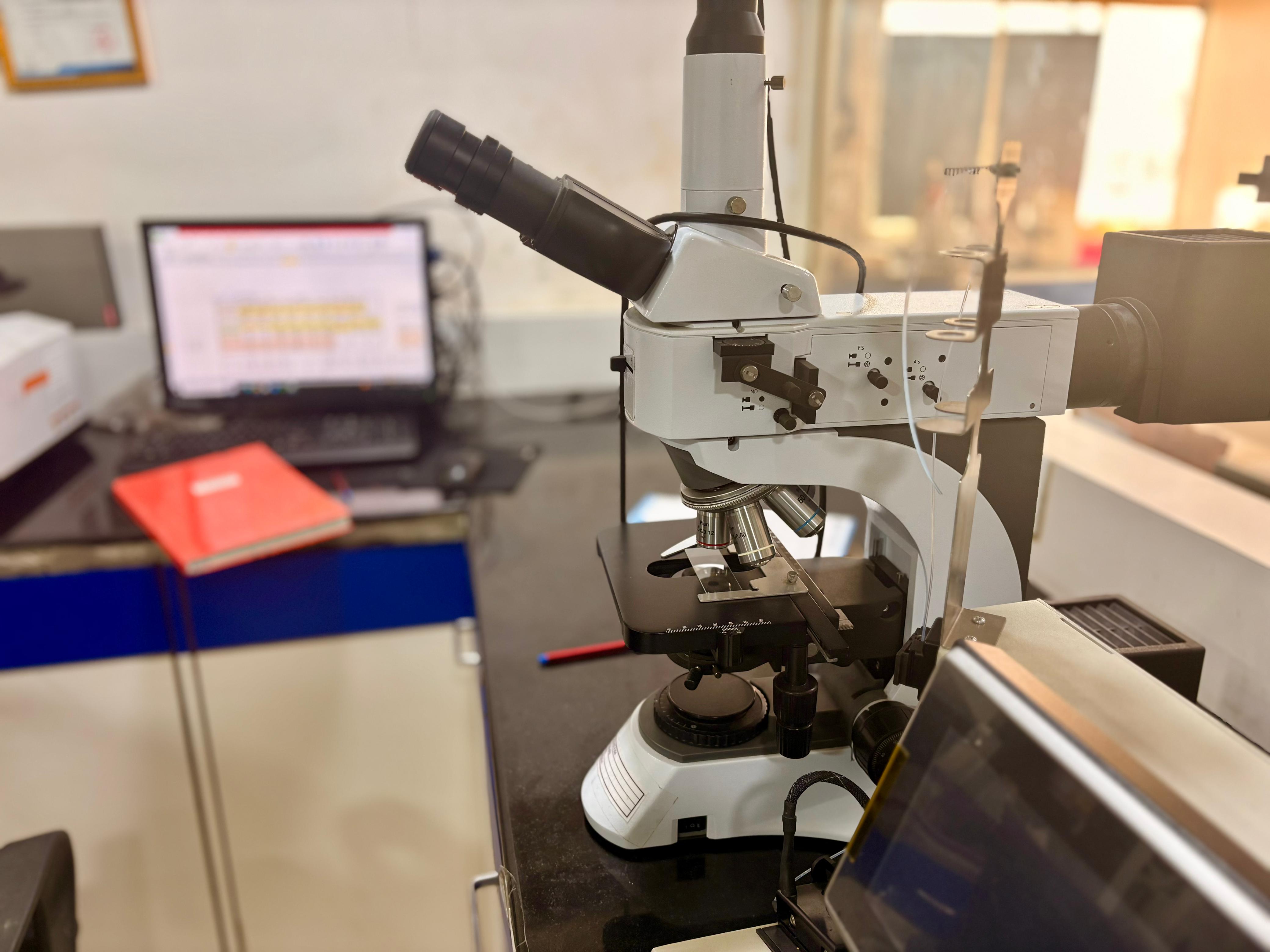
Every rotating or moving machine leaves a signature in its lubricating oil. As components such as bearings, gears, shafts, pistons, and hydraulic elements operate under load, they shed microscopic particles into the oil. Wear debris testing focuses on identifying, characterising, and interpreting these particles to understand what is happening inside the machine, often long before a failure becomes visible or audible.
Unlike routine oil chemistry tests, wear debris testing looks directly at mechanical wear behaviour, making it one of the most powerful tools in condition-based maintenance (CBM) and predictive maintenance programs.
By identifying abnormal wear patterns early, organisations can:
Wear debris testing evaluates physical characteristics of particles, not just concentration. These include:
This information helps pinpoint which component is wearing, how it is wearing, and how severe the condition is.
Wear debris testing typically combines multiple analytical approaches for a complete diagnosis:
Microscopic Wear Debris Analysis
Visual examination of particles using optical microscopy to identify wear mechanisms and severity.
Ferrography-Based Analysis
Supporting Oil Analysis Data
Wear debris results are interpreted alongside:
Wear debris testing is especially critical for high-value, high-risk equipment, including:
In these systems, early detection of abnormal wear can prevent long outages, expensive repairs, and safety incidents.
Atlas Lab offers advanced wear debris testing and interpretation services, combining microscopic analysis, ferrography, and oil condition data to deliver actionable maintenance insights and detailed test reports. As an NABL-accredited and ISO/IEC 17025-certified laboratory, we follow internationally accepted condition-monitoring practices to support industries such as oil & gas, power generation, steel, cement, marine, automotive, and heavy equipment.
Our reports focus on:
Contact Atlas Lab today for professional bearing oil testing and analysis services and protect your rotating equipment with informed, data-driven maintenance decisions.
Phone :+91 9324631646
WhatsApp : +91 9324631646
Email : contact@atlaslab.in

The cement industry operates under some of the harshest conditions in industrial manufacturing. Equipment such as rotary kilns, vertical roller mills,
Read more about Lube Oil Testing for the Cement Industry
The steel industry operates some of the most demanding and high-load machinery in the industrial sector. Equipment such as blast furnaces,
Read more about Lube Oil Testing for the Steel Industry