
Industry News

Drinking water testing has traditionally focused on parameters such as pH, TDS, hardness, chloride, nitrates, heavy metals, E. coli and total coliforms. These tests remain important, but they do not answer one of the fastest-growing water safety concerns today: does the drinking water contain PFAS, PFOS or PFOA?
PFAS, or per- and polyfluoroalkyl substances, are a large group of man-made chemicals known for their resistance to heat, oil, stains and water. PFOS and PFOA are two of the most widely known compounds in this family. They have been used in firefighting foams, industrial coatings, stain-resistant materials, non-stick products, water-resistant textiles, plating chemicals and many other applications.
The concern with PFAS in drinking water is simple: these chemicals are highly persistent. They do not break down easily in the environment and can move through groundwater, surface water and water supply systems over time. This is why they are often called “forever chemicals.”
PFAS contamination can enter drinking water sources from industrial areas, airports, fire training grounds, landfills, refineries, military sites, ports, chemical plants, wastewater discharge and contaminated groundwater. Borewell water, municipal supply water, tanker water, packaged drinking water, treated water and RO plant water may all require PFAS testing if there is a suspected contamination source nearby.
Unlike routine drinking water contaminants, PFAS compounds are significant even at extremely low concentrations. Internationally, PFAS in drinking water is often measured in ng/L, or nanograms per litre, which is also referred to as parts per trillion. This means PFAS testing requires highly sensitive analytical methods and careful sample handling.
In the United States, the EPA has set enforceable drinking water limits for PFOA and PFOS, while also proposing implementation changes and extended compliance timelines for water systems. In Europe, the Drinking Water Directive includes monitoring for “PFAS Total” and “Sum of PFAS,” with limit values that became mandatory for Member States from January 2026. These developments show that PFAS drinking water testing is moving from a specialist concern to a mainstream water quality requirement.
Drinking water PFAS testing is relevant for many sectors, especially where water is sourced from borewells, groundwater, surface water or treated industrial-area supplies. Housing societies, commercial buildings, hospitals, hotels, schools, factories, industrial parks, ports, airports, refineries, food and beverage facilities, pharmaceutical plants and infrastructure projects may all need to assess PFAS risk in drinking water.
Testing is especially important if the site is located near historical firefighting foam usage, chemical storage, industrial discharge, landfill leachate, effluent treatment discharge, shipyards, airports or oil terminals. Even if routine water quality reports look acceptable, PFAS may still be present because it is not detected through standard potability tests.
PFAS drinking water testing is usually performed using advanced techniques such as LC-MS/MS, which can detect selected PFAS compounds at very low levels. Commonly tested compounds include PFOS, PFOA, PFHxS, PFNA, PFBS, PFHxA and other PFAS, depending on the required scope.
Proper sampling is critical. PFAS can be present in some sampling materials, waterproof clothing, packaging and cleaning products, so contamination control is essential. The correct sample container, preservation, chain of custody, field blanks where required, and laboratory quality control all play an important role in reliable results.
At Atlas Lab, we understand that PFAS testing is not just another water parameter. It requires technical knowledge, careful sampling guidance, sensitive analysis and clear interpretation. We support clients with drinking water PFAS testing, PFOS testing, PFOA testing, borewell water PFAS testing, treated water testing, RO water testing, groundwater-linked drinking water testing, and potable water quality assessment.
We help clients understand what to test, how to collect samples, which PFAS compounds to include, and how to use the report for internal safety, compliance, ESG, environmental audits or client requirements.
If your drinking water source is near an industrial area, airport, port, refinery, landfill, fire training ground, shipyard or chemical handling zone, PFAS testing should be part of your water safety program.
Speak to Atlas Lab today for reliable drinking water PFAS testing and expert guidance.
Phone :+91 9324631646
WhatsApp : +91 9324631646
Email : contact@atlaslab.in
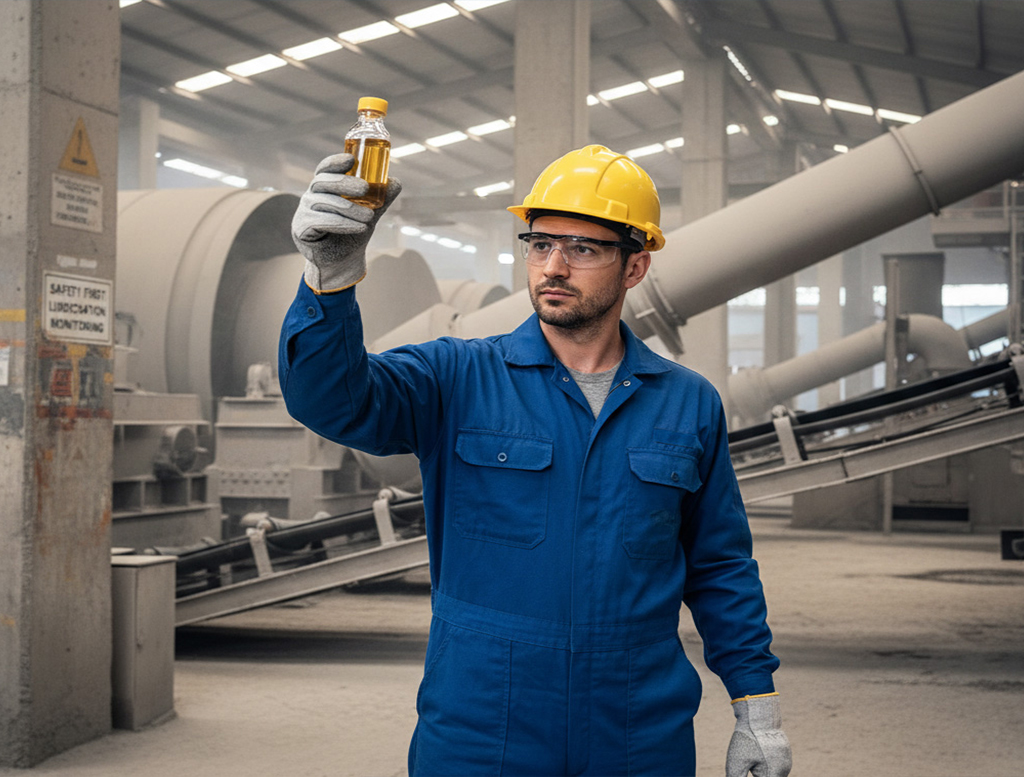
The cement industry operates under some of the harshest conditions in industrial manufacturing. Equipment such as rotary kilns, vertical roller mills,
Read more about Lube Oil Testing for the Cement Industry
The steel industry operates some of the most demanding and high-load machinery in the industrial sector. Equipment such as blast furnaces,
Read more about Lube Oil Testing for the Steel Industry