
Industry News
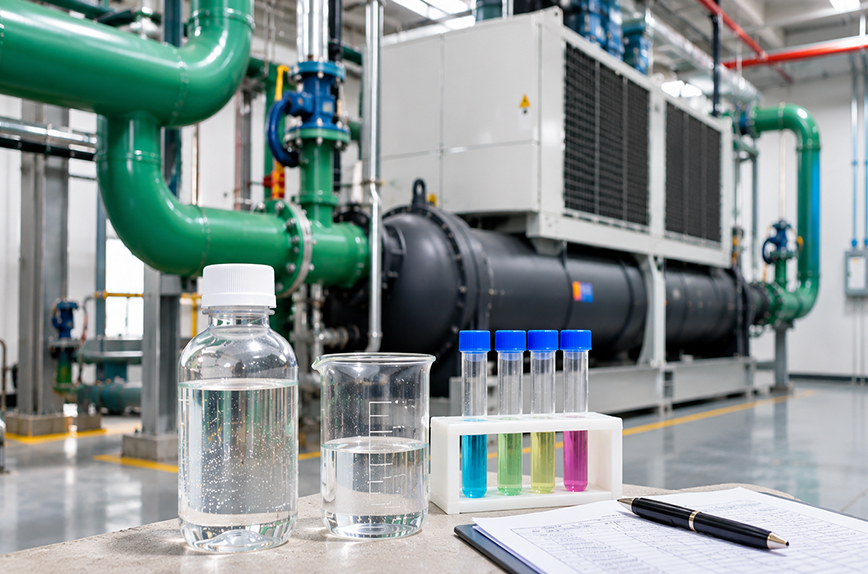
Chiller systems play a crucial role in maintaining temperature control across commercial buildings, hospitals, data centres, manufacturing plants, and industrial HVAC applications. However, poor chilled water quality can lead to corrosion, scaling, microbial contamination, reduced cooling efficiency, and costly equipment failures.
Regular chiller water testing helps identify potential problems, maintain water chemistry, optimise chemical treatment, and extend equipment life.
Here are the top 10 essential chiller water testing parameters and why they matter for maintaining efficient HVAC and industrial cooling systems.
pH measures the acidity or alkalinity of chilled water and is one of the most important parameters for evaluating corrosion potential and chemical treatment effectiveness.
Low pH can accelerate corrosion of metallic components, while excessively high pH may contribute to scaling and affect certain system materials. Maintaining the correct pH range is particularly important in closed-loop chilled water systems containing steel, copper, and aluminium components.
Why test? To maintain stable water chemistry, minimise corrosion, and support effective chemical treatment.
Electrical conductivity indicates the concentration of dissolved ions present in chilled water.
Unexpected changes in conductivity may indicate contamination, water leakage, excessive makeup water, or changes in chemical treatment concentration. In closed-loop systems, conductivity trends can help identify changes in water chemistry that require investigation.
Why test? To monitor dissolved ionic content, identify unusual water chemistry changes, and support effective system maintenance.
TDS represents the total concentration of dissolved minerals, salts, and other substances in water.
Elevated TDS may contribute to corrosion or scaling depending on the dissolved constituents and operating conditions. In closed-loop chilled water systems, changes in TDS can also indicate contamination or changes in makeup water quality.
Why test? To monitor dissolved impurities and evaluate overall chilled water quality.
Total hardness measures calcium and magnesium concentrations in chilled water.
High hardness can contribute to mineral deposits, particularly in areas exposed to elevated temperatures or unfavourable water chemistry conditions. These deposits can restrict flow and reduce heat transfer efficiency.
Although scaling is generally less severe in properly maintained closed chilled-water loops than in evaporative cooling towers, hardness remains an important parameter when evaluating makeup water quality and treatment effectiveness.
Why test? To assess mineral scaling potential and protect heat exchangers, pipelines, and cooling equipment.
Total alkalinity measures the ability of water to neutralise acids, primarily due to bicarbonates, carbonates, and hydroxides.
Insufficient alkalinity can reduce the buffering capacity of chilled water, allowing rapid pH fluctuations. Excessive alkalinity, combined with calcium hardness and high pH, can contribute to scaling under suitable conditions.
Why test? To maintain stable pH, evaluate scaling potential, and optimise chemical treatment programmes.
Chloride is a dissolved ion that can significantly influence corrosion behaviour in chilled water systems.
Elevated chloride concentrations may increase the risk of pitting and crevice corrosion, particularly in susceptible stainless steels. Chloride contamination may originate from makeup water, external contamination, or leakage between connected systems.
Why test? To assess corrosion risks, identify possible contamination, and protect metallic system components.
Iron is an important indicator of corrosion in chilled water systems containing carbon steel pipes, pumps, and other ferrous components.
Elevated iron concentrations may indicate active corrosion, the release of existing corrosion deposits, or inadequate corrosion inhibitor performance. Iron oxide particles can accumulate within pipelines, strainers, and heat exchangers, potentially restricting water flow and reducing system efficiency.
Testing dissolved and total iron, where appropriate, helps distinguish soluble iron from suspended corrosion products.
Why test? To identify potential corrosion problems, monitor treatment effectiveness, and prevent the accumulation of iron deposits.
Copper testing helps assess corrosion in chilled water systems containing copper piping, brass fittings, and copper-based heat exchanger components.
Elevated copper concentrations may indicate deterioration of copper-containing materials due to unsuitable pH, excessive oxidising conditions, or ineffective corrosion control.
Copper corrosion products can also contribute to deposits and may promote galvanic corrosion when deposited on other metallic surfaces.
Why test? To monitor copper-containing equipment, identify corrosion risks, and protect heat exchanger performance.
Total Bacterial Count provides an indication of culturable bacterial contamination in chilled water.
Although closed-loop chilled water systems generally have lower exposure to external contamination than open cooling towers, microbial growth can still occur, particularly in poorly maintained systems with stagnant zones, nutrient contamination, or inadequate biocide control.
Microbial activity may contribute to biofilm formation, fouling, and microbiologically influenced corrosion.
Why test? To monitor bacterial contamination, evaluate microbial control programmes, and reduce biofouling risks.
Corrosion inhibitors are commonly added to closed-loop chilled water systems to protect metallic components from deterioration.
Depending on the treatment programme, inhibitors may include nitrite, molybdate, phosphate, or other specialised formulations.
Insufficient inhibitor concentrations can leave system components vulnerable to corrosion, while excessive dosing may create additional water chemistry concerns.
Testing the appropriate inhibitor residual helps determine whether the chemical treatment programme is maintaining the required protective concentration.
Why test? To verify corrosion inhibitor levels, optimise chemical dosing, and maintain long-term system protection.
Routine chilled water analysis helps HVAC maintenance teams and facility managers identify water quality problems before they affect equipment performance.
Key benefits include:
Atlas Lab is an NABL ISO/IEC 17025 accredited testing laboratory based in Navi Mumbai, providing comprehensive chiller water testing, chilled water analysis, and industrial water testing services.
We support HVAC maintenance companies, chiller service providers, facility management companies, commercial buildings, hospitals, data centres, and industrial facilities with reliable laboratory testing and timely analytical reporting.
Our laboratory offers testing for important chilled water quality parameters, including:
Regular laboratory analysis helps customers evaluate water quality, monitor corrosion risks, and assess the effectiveness of their chilled water treatment programmes.
Maintaining proper chilled water quality is essential for efficient HVAC operation, equipment protection, and long-term system reliability. Partner with Atlas Lab for reliable, accurate, and cost-effective chiller water testing services. We offer customised testing packages for HVAC maintenance contractors, industrial facilities, and commercial building operators.
Phone :+91 9324631646
WhatsApp : +91 9324631646
Email : contact@atlaslab.in
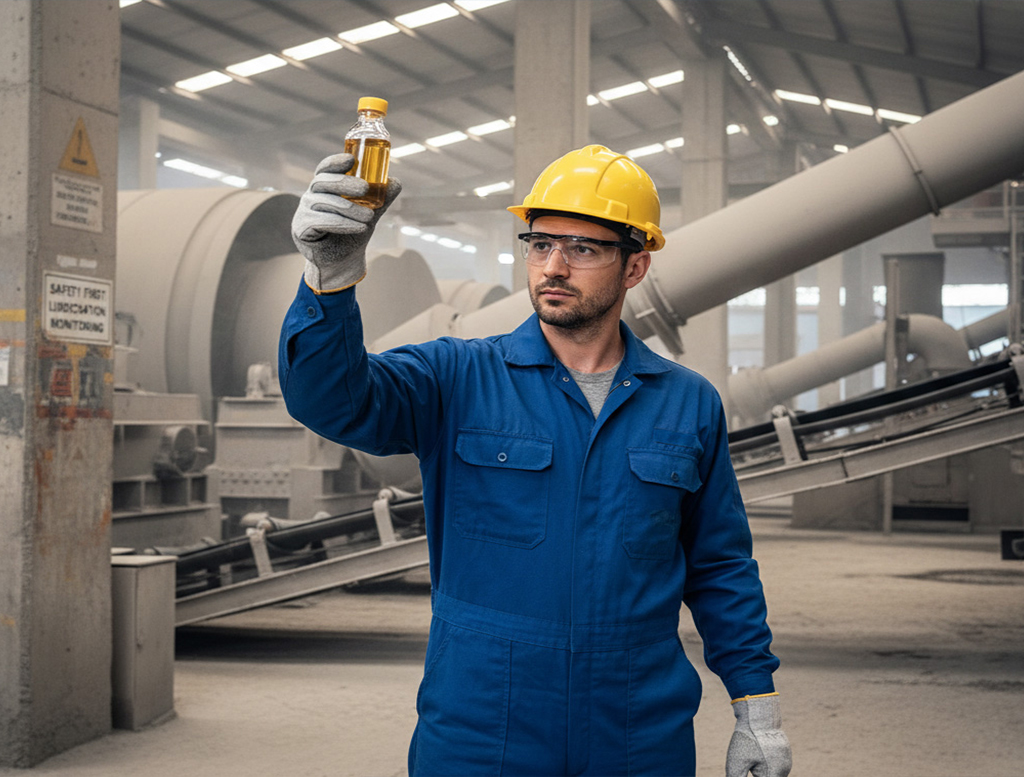
The cement industry operates under some of the harshest conditions in industrial manufacturing. Equipment such as rotary kilns, vertical roller mills,
Read more about Lube Oil Testing for the Cement Industry
The steel industry operates some of the most demanding and high-load machinery in the industrial sector. Equipment such as blast furnaces,
Read more about Lube Oil Testing for the Steel Industry